Choosing a waterjet cutting machine is an important investment, especially when you need to balance cutting accuracy, production efficiency, material compatibility, and long-term operating costs. Before making a purchase, many customers have questions about cutting performance, achievable accuracy, maximum material thickness, consumables, and machine operation.
To make the decision-making process easier, we have compiled some of the most frequently asked questions about waterjet cutting machines. Whether you are new to waterjet technology or looking to upgrade your existing cutting equipment, these answers can help you better understand what a waterjet system can do and what factors should be considered before and during operation.
Is It Possible to Get the Desired Part on the First Cutting Attempt?
In many applications, yes. A properly configured waterjet cutting machine can achieve a high first-pass success rate, particularly when the material, thickness, cutting parameters, and geometry are well understood.
Modern waterjet systems use advanced CAD/CAM software and cutting-control technologies to convert digital drawings into precise cutting paths. Combined with practical experience in different materials and applications, these technologies allow operators to select appropriate cutting parameters before production begins.
However, first-pass results can still depend on several variables, including:
- Material type and hardness
- Material thickness
- Part geometry and complexity
- Cutting speed
- Abrasive flow rate
- Water pressure
- Nozzle and abrasive tube condition
- Required edge quality and dimensional tolerance
For new materials or particularly demanding parts, a test cut or sample evaluation may be recommended. This helps verify the cutting parameters and minimize material waste before full-scale production.
How Accurate Is Waterjet Cutting? Does Cutting Speed Affect Accuracy?
Waterjet cutting is widely used for applications requiring high dimensional accuracy and complex profiles. Under suitable operating conditions, cutting accuracy can typically reach approximately ±0.003–0.005 inches, although the actual result depends on the machine configuration, material, thickness, cutting head, software, and operating conditions.
Cutting speed is one of the most important factors affecting the final result.
When a waterjet moves faster through the material, the jet has less time to remove material. This can lead to increased edge taper, rougher cut surfaces, and reduced dimensional accuracy. Slowing the cutting speed generally improves edge quality and accuracy, but it also increases processing time.
Therefore, the fastest cutting speed is not necessarily the best cutting speed.
For production work, the ideal parameter should be selected according to the material and the required edge quality. A material-specific cutting speed calculator or recommended parameter database can help operators determine an appropriate starting point and balance cutting speed, accuracy, surface finish, and operating cost.
How Thick Can a Waterjet Cutting Machine Cut?
One of the major advantages of waterjet technology is its ability to process a wide range of material thicknesses without introducing a significant heat-affected zone.
Depending on the machine configuration and application requirements, waterjet systems can cut extremely thick materials. For example, some of our equipment is capable of cutting stainless steel plates up to 10 inches thick.
The actual maximum thickness is not determined by water pressure alone. Factors such as material properties, abrasive type and flow rate, cutting head configuration, pump capacity, and required edge quality all influence the practical cutting capability.
At the same time, waterjet cutting is not limited to thick materials. Its cold-cutting characteristics and precise control make it suitable for relatively delicate or small components as well.
This combination of thick-material capability and precision cutting makes waterjet technology suitable for applications ranging from heavy metal fabrication to intricate industrial components and specialized parts.
Can a Waterjet Be Used for Finishing or Polishing?
Waterjet cutting and surface polishing are two different processes.
A waterjet can be used for certain marking and light surface-processing applications, but it is primarily designed to remove material and create a defined cutting profile. The high-pressure jet penetrates into the material rather than creating the type of controlled abrasive surface treatment associated with polishing.
Therefore, if the primary objective is to achieve a smooth, polished surface, dedicated finishing processes such as polishing, grinding, or blasting may be more appropriate.
However, waterjet systems can still be useful for simple marking, identification, and engraving-related applications, depending on the material and process configuration. For example, basic numbers, symbols, reference marks, or positioning information may be produced without requiring a separate cutting process.
The key is to distinguish between what the waterjet is intended to accomplish—precision material removal and cutting—and what requires a dedicated finishing process.
What Happens If the Cutting Nozzle Is Too Far From the Material?
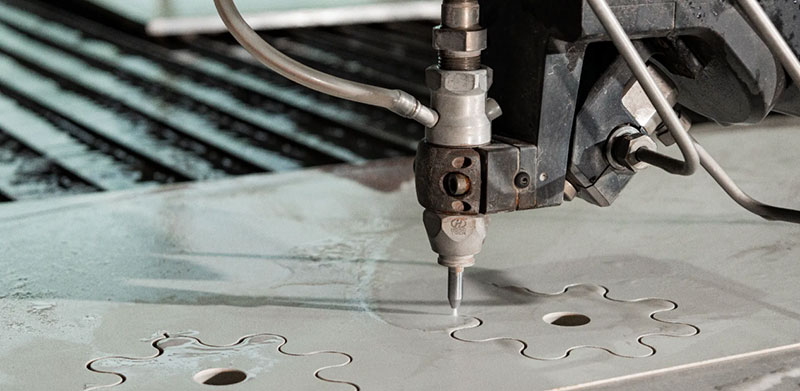
Nozzle stand-off distance has a direct influence on waterjet cutting quality.
The cutting head should normally be positioned at an appropriate distance above the workpiece. If the nozzle is placed too far away, the high-pressure water and abrasive jet can become less focused before entering the material.
This may result in:
- Reduced cutting effectiveness
- A wider kerf
- Increased overspray
- Rougher cut edges
- Greater taper
- Reduced dimensional accuracy
An excessive nozzle-to-material distance can therefore reduce the efficiency of the cutting process and negatively affect the finished part.
For consistent results, operators should maintain the recommended stand-off distance and regularly inspect the cutting head, nozzle, and abrasive tube. Correct alignment and component condition are especially important when working with tight tolerances or complex geometries.
What Are the Main Consumables on a Waterjet Cutting Machine?
Waterjet cutting machines use several consumable components during normal operation. The exact consumption rate depends on the machine configuration, operating pressure, cutting hours, material, abrasive usage, and maintenance conditions.
The most common waterjet consumables include:
1. Waterjet Nozzle
The nozzle is one of the key components responsible for shaping and directing the high-pressure water jet. Continuous operation gradually affects its performance, so regular inspection and timely replacement are important for maintaining consistent cutting quality.
2. Abrasive Tube
When abrasive waterjet cutting is used, the abrasive tube mixes and directs abrasive particles into the cutting jet. Because abrasive particles continuously pass through the tube at high velocity, it is a normal wear component.
A worn abrasive tube can affect jet alignment, cutting quality, and dimensional consistency.
3. Water Filtration Components
Water filtration components help protect the high-pressure pump and cutting system from contaminants and suspended particles. Maintaining clean and properly filtered water can reduce the risk of premature component wear and help maintain stable machine performance.
4. Abrasive
For abrasive waterjet cutting, garnet or another suitable abrasive is consumed during the cutting process. Abrasive consumption is an important operating-cost factor and should be considered when evaluating the total cost of ownership of a waterjet cutting machine.
The service life of consumable components is not fixed. Actual replacement intervals vary according to machine model, water pressure, cutting hours, abrasive conditions, material, and maintenance practices. Regular inspection and preventive maintenance can help operators identify wear before it begins to affect cutting performance.
How Can You Maintain Consistent Waterjet Cutting Performance?
Achieving good cutting results is not only about selecting a high-quality waterjet machine. Regular maintenance and correct operating parameters are equally important.
A practical maintenance routine should include:
- Checking the condition of the cutting nozzle and abrasive tube
- Monitoring water quality and filtration performance
- Inspecting high-pressure components regularly
- Keeping the cutting head properly aligned
- Checking abrasive delivery for consistency
- Using appropriate cutting parameters for different materials
- Replacing worn consumables in a timely manner
- Following the manufacturer’s recommended maintenance schedule
These basic practices can help reduce unexpected downtime, improve cutting consistency, and extend the service life of critical waterjet components.
What Should You Consider Before Buying a Waterjet Cutting Machine?
Before selecting a waterjet system, it is important to look beyond the advertised maximum pressure or cutting speed. The right machine should match your actual production requirements.
Key factors to evaluate include:
Material Compatibility:
Determine which materials and thicknesses you will process most frequently.
Required Accuracy:
Define the dimensional tolerance and edge quality required for your finished parts.
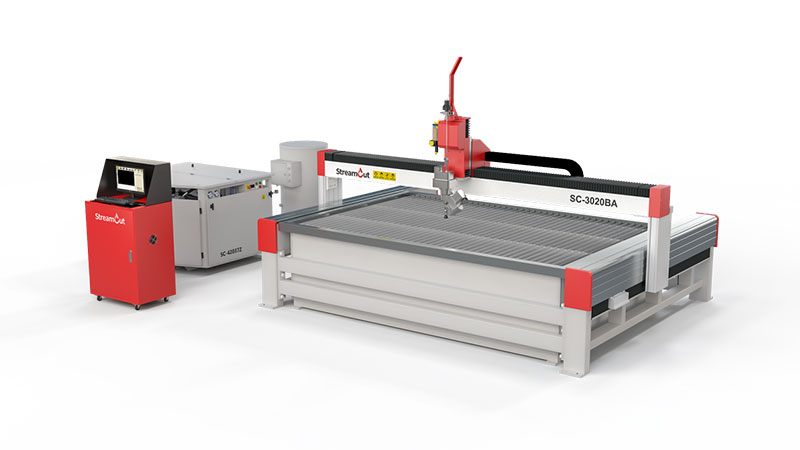
Table Size:
Choose a cutting area that accommodates your typical sheet or workpiece dimensions while leaving enough flexibility for future applications.
Cutting Head Configuration:
Different cutting heads and configurations are suitable for different levels of precision, taper control, and production requirements.
Pump Performance:
Pump pressure, flow rate, reliability, and serviceability can all influence long-term cutting performance.
Consumable Costs:
Consider nozzle, abrasive tube, filtration components, and abrasive consumption when calculating operating costs.
Software and Control System:
Easy-to-use CAD/CAM software and an intuitive control system can improve programming efficiency and reduce operator learning time.
Technical Support and Spare Parts:
Reliable after-sales support, readily available spare parts, and professional technical assistance are important for minimizing downtime over the machine’s operating life.
Conclusion
A waterjet cutting machine is a versatile manufacturing tool capable of processing materials ranging from thick stainless steel to delicate and complex components. Its ability to cut without conventional thermal distortion, combined with high accuracy and broad material compatibility, makes waterjet technology suitable for a wide range of industrial applications.
The final cutting result, however, depends on more than the machine itself. Cutting speed, material characteristics, nozzle stand-off distance, abrasive conditions, consumable wear, machine configuration, and maintenance all play important roles in determining accuracy and edge quality.
By selecting the right equipment, optimizing cutting parameters, and maintaining critical components properly, manufacturers can achieve a practical balance between precision, productivity, edge quality, and operating cost.
If you are evaluating a waterjet cutting machine for your application, understanding these factors in advance can help you choose a system that is better suited to your materials, production volume, accuracy requirements, and long-term manufacturing goals.